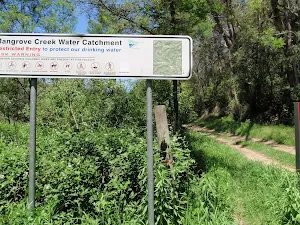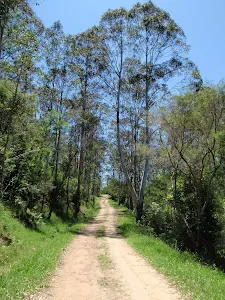
Western Commission Track to Dubbo Gully

Download & Print Map and Notes

Tap again to allow map panning

Time 2 Days
One way 28.3 km One way
Climb 1249 m
Grade 3 Moderate track
Car
no_pets
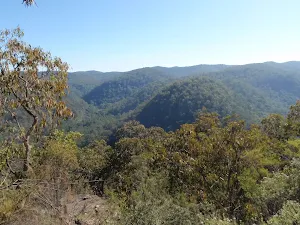
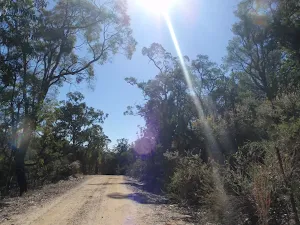
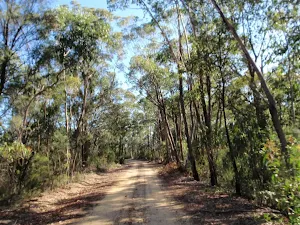
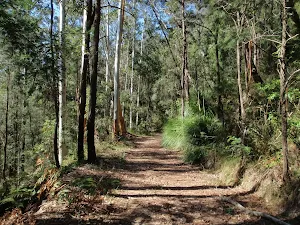
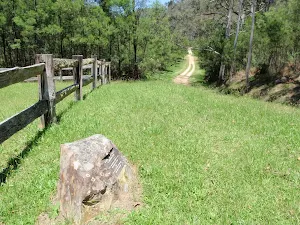
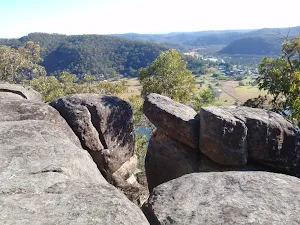
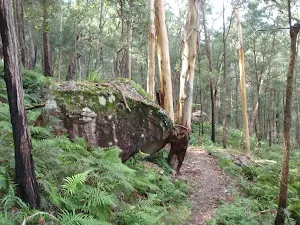
This two day walk follows a series of historic roads along clear and wide management trails. This walk explores the great views from Western Commission Track, the sandstone handicraft on the Old Great North Road and the farming history of Ten Mile Hollow, and also offers a side trip to Clare's Bridge. Camping at the well-established Ten Mile Hollow campsite, this walk is great for those who enjoy walking on trails, visiting convict sites and early settlement historic places.

(0km) Bottom end of Western Commission Track → Dam

distance 4.4 km time 1 hr 45 mins climb 318m descent -130m Moderate track
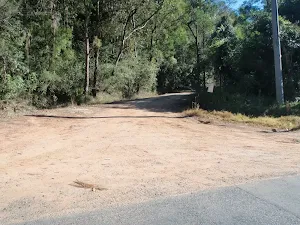
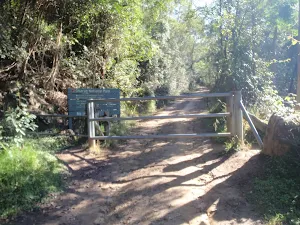
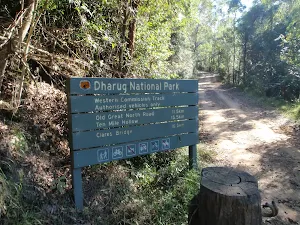
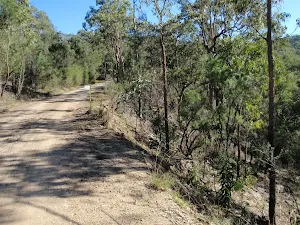
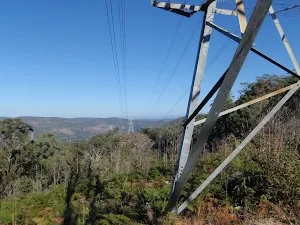
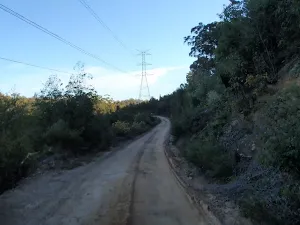
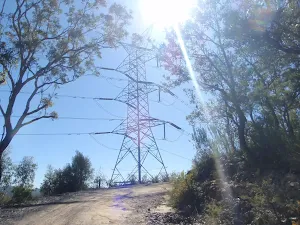
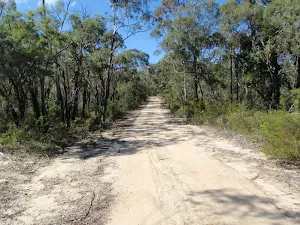
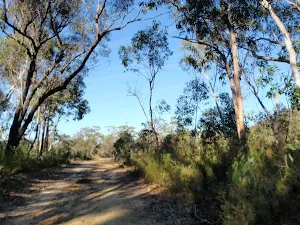
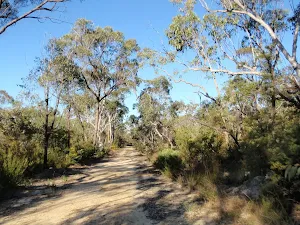
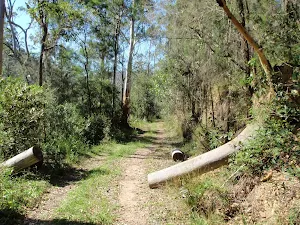
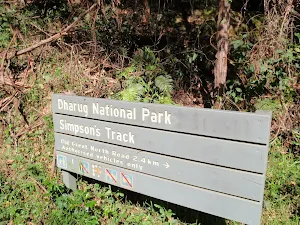
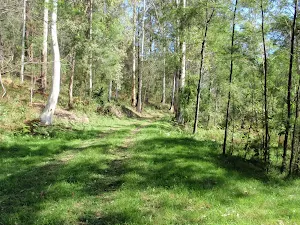
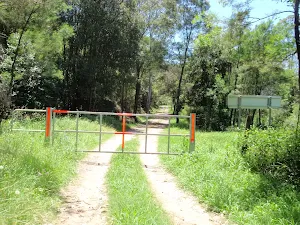
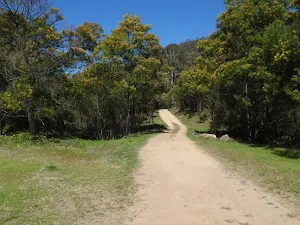
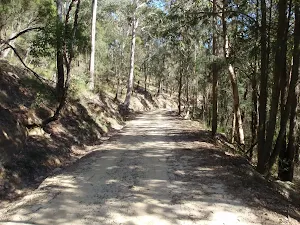
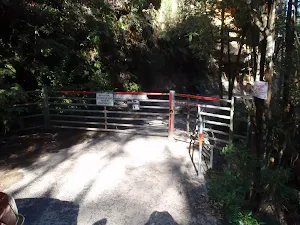
From the intersection of the Western Commission Track and Wisemans Ferry Rd (3.6km west of Wisemans Ferry), this walk heads up the management trail following the 'W.B.D' sign away from 'Willow Glen'. The walk soon heads around a locked gate and past the 'Dharug National Park' sign. As the trail starts to steepen it passes a 'Severe Bends' road sign, and winds up the hill. The trail then bends left, passes under the powerlines and comes to an old management trail on the left, signposted '168-167'
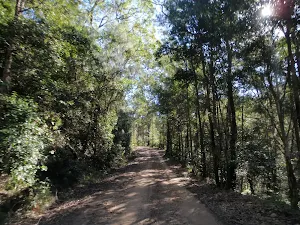
Continue straight: From the intersection, this walk follows the main management trail up the hill, keeping the valley to the right. After about 400m the trail passes between two small old dams. About another 800 meters on the trail bends sharply to the right, where there are good views across the valley on the left. Further up the hill the trail passes the 165-166 trail on the right. The trail now flattens out and passes 4 high tension electrical tower, with filtered distant views. Soon after the 4th tower the trail leads to a large clearing and dam on the right.

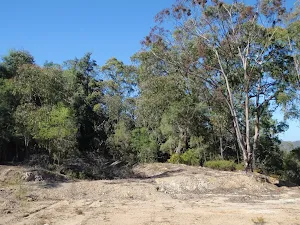
Western Commission track Dam

Western Commission track Dam
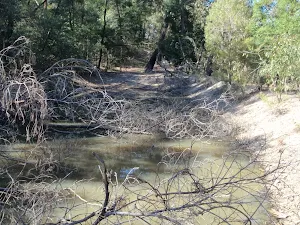
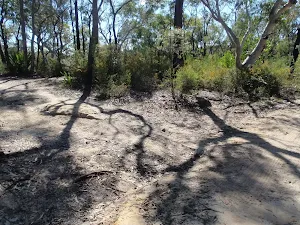
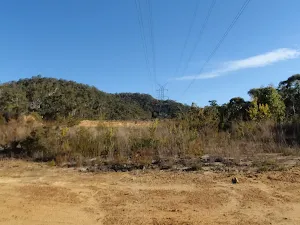
This large clearing is about two thirds the way up Western Commission track. The is a fairly large dam and what seems to be an old quarry for building the road. The dam is not a reliable source of water (and very questionable quality). There is a shady section behind the dam that seems to be an old campsite, and a good place to rest.

(4km) Dam → Int of WCT and OGNR

distance 7.5 km time 2 hrs 39 mins climb 332m descent -269m Moderate track
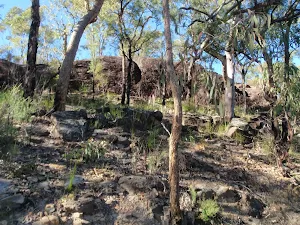
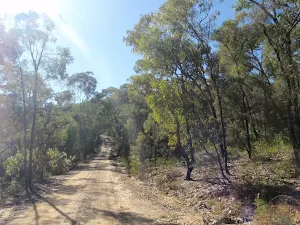
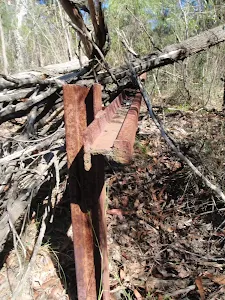
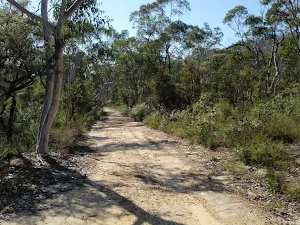
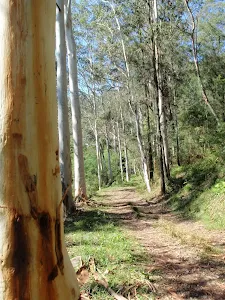
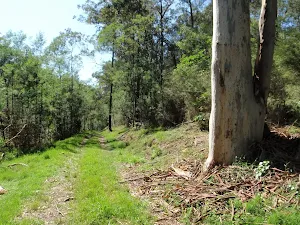
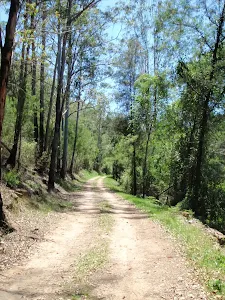
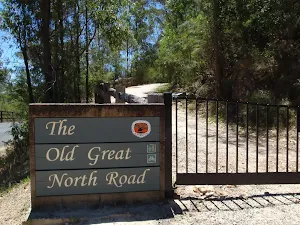
Continue straight: From the clearing, this walk follows the management trail up the hill, away from the electricity tower, keeping the valley to the left. The trail soon passes the '160' trail and gently winds around a bit further to pass the '168-159' trail. The walk follows the main trail then winds through a pleasant gully with interesting rock formation and a moister, cooler forest. The trail then passes the other end of the '168-159' trail (on the left) and comes to the electrical tower on the sharp right-hand bend. The trail continues along the ridge, passing the '151-153' trail on the left, then coming to another electricity tower just to the left of the trail. About 300m past this tower, the trail leads between the posts of an old gate with a fence made from train tracks. Another 300m further along, the trail comes to the intersection with the Old Great North Road (there are a number of signs and information about the OGNR).

(12km) Int of WCT and OGNR → Southern end of the Wat Trail

distance 1.9 km time 37 mins climb 52m descent -76m Moderate track
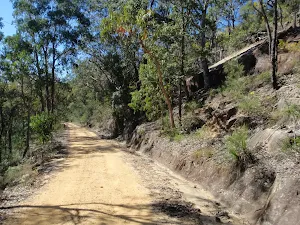
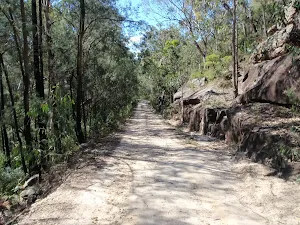
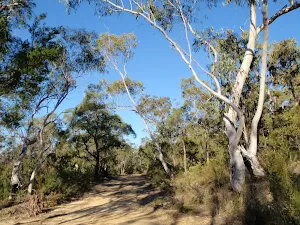
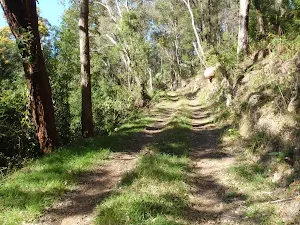
Veer right: From the intersection, this walk follows the 'Old Great North Rd' arrow east, downhill along the clear trail. The trail meanders for a while, passing some lovely rock formations and some old road guttering. The walk then comes to an intersection with a clear but unsignposted management trail (on the left).
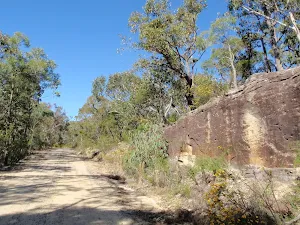
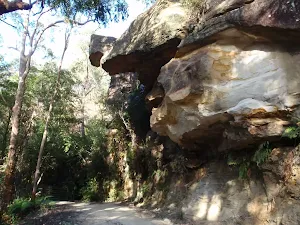
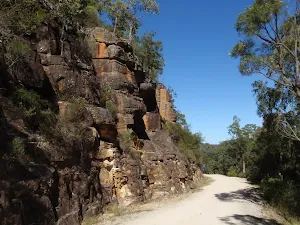
Continue straight: From the intersection, this walk follows the OGNR as it head downhill, bending to the right (keeping the valley on the right). Soon, there are some nice views to the left and the trail heads uphill. Near the top of the hill, this walk ignores the '144-147' trail (on the right) and heads across the sandstone cutting. As the trail bends around the gully, there are some cuttings in the rock on the right. Where the trail bends sharply right, there is an intersection with the gated Wat track (on the left).

(14km) Southern end of the Wat Trail → Wat Buddha Dhamma

distance 1.3 km time 25 mins climb 17m descent -84m Moderate track
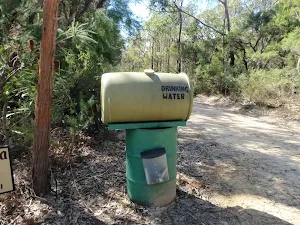
Veer right: From the intersection, this walk follows the OGNR trail downhill, following the '142.3' sign (keeping the valley on the left). The trail levels out as it passes a 'Severe Bends' sign, facing the other way. About 200m past this sign, the walk comes to a 'Drinking Water' tank and the 'Wat Buddha Dhamma' Monastery.

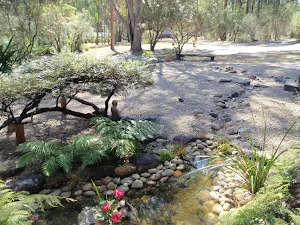
Wat Buddha Dhamma

Wat Buddha Dhamma
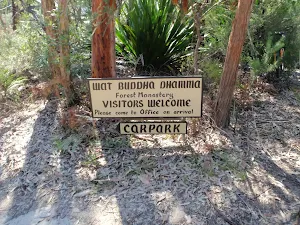
The Wat Buddha Dhamma is a Monastery about 600m south of Ten Mile Hollow Campsite, on the Old Great North Road. The Monks provides a water tank and toilet for people passing by. The monks welcome guests and requests that visitors dress modestly (no shorts or revealing clothing), and that visitors are encouraged to share in the life with the monks. More info.

(15km) Wat Buddha Dhamma → Ten Mile Hollow

distance 620 m time 11 mins climb 2m descent -23m Easy track
Continue straight: From the 'Drinking Water' tank, this walk heads north east along the OGNR, initially keeping the monastery to the left. Soon the trail passes a couple of other driveways for the monastery and heads past a small pine plantation (on the left). Before long, the trail leads to a 'Y' intersection with the 'Simpson Track' at the 'Ten Mile Hollow' campground.

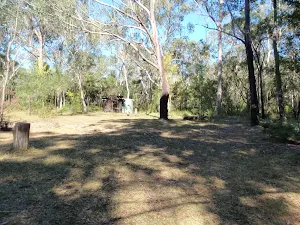
Ten Mile Hollow

Ten Mile Hollow
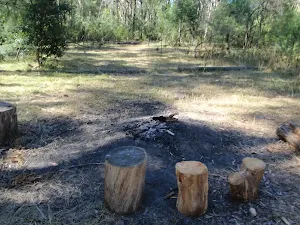
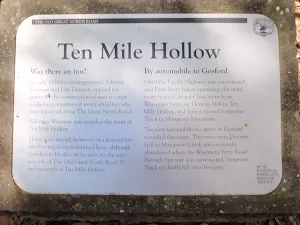
This large, open campsite is found next to the Old Great North Road, at the top of the Simpson Track. The campsite is great for people walking or cycling in the area. There is fairly new hybrid toilet, a few fire circles and plenty of places to pitch some tents. There is a water tank next to the toilet - if this is empty, there is sometimes water in Ten Mile Hollow creek a short distance north along the OGNR (otherwise the Wat Buddha Dhamma, about 600m south along the OGNR, provide a water tank for visitors). Treat water before drinking. The area was formally a stockade (a camp) for the convicts who built the road in c.1830. Later the area was named 'Snodgrass Valley' and plans to build a town were developed, neither the name nor the town proved popular (even at 2 pounds an acre). Solomon Wiseman (of Wisemans Ferry fame) was given 100 acres to build an inn, however it is not clear if the inn was ever built. More info.

(16km) Ten Mile Hollow → Clares Bridge

distance 1.2 km time 22 mins climb 33m descent -6m Moderate track
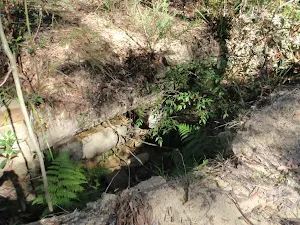
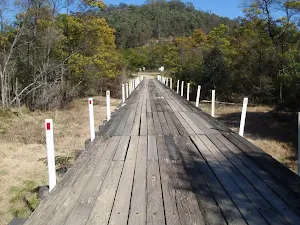
Veer left: From Ten Mile Hollow, this walk follows the 'Clares Bridge' sign[2] along the OGNR, as it soon bends to the left. The trail narrows and comes to an old bridge (with a timber base). The walk crosses the bridge (and Ten Mile Hollow Creek) and heads around the gate. The walk follows the overgrown management trail through the bush for a while, coming to a white wooden barricade. Heading around the barricade, the walk comes to a clearing and signpost just before Clare's Bridge[3]. At the end of this side trip, retrace your steps back to the main walk then Turn left.

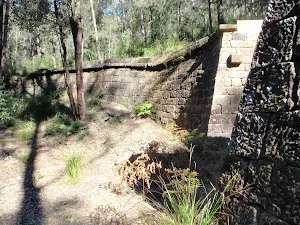
Clares Bridge

Clares Bridge
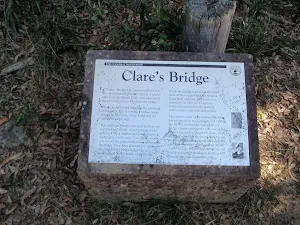
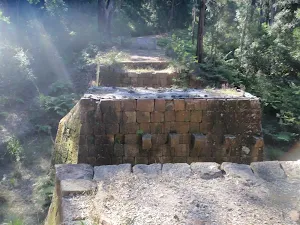
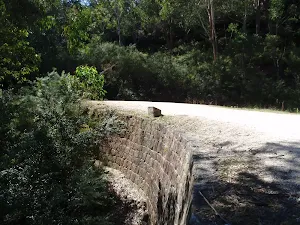
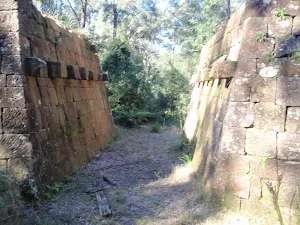
Clare's Bridge, on the Old Great North Road, is about 1km north of Ten Mile Hollow camping area. This, and a number of other bridges, were built during the construction of the old road. Clare's Bridge is the most visually spectacular of the bridges. The second oldest bridge on mainland Australia (The oldest being Thomas James Bridge), it is built of sandstone blocks and has a wonderful, sweeping retaining wall. The sweeping design gives full view of the craftsmanship to those passing by. Much work has been done by NPWS and Gosford Council to restore the bridge. There is no deck on the bridge, however it is still an impressive structure and a fascinating piece of history. More info.

End of day 1

This is the planned overnight stay for the end of day 1, happy camping.

(16km) Ten Mile Hollow → Simpsons Cave

distance 2.5 km time 47 mins climb 39m descent -108m Moderate track
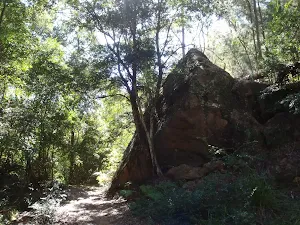
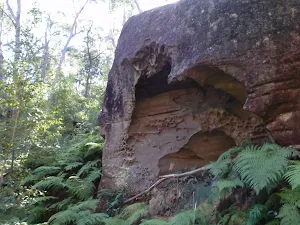
Veer right: From the intersection, this walk follows the 'Simpsons Track' sign[4] along the management trail, initially keeping the Ten Mile Hollow campsite immediately on the right. The trail passes through an old (open) gate then bends right, then comes to a large clearing and passes under the high-tension power lines. The walk continues down along the management trail as the gully on the left becomes steeper. About 50m after passing a large boulder (on the left-hand side of the trail, at a right-hand bend), the trail comes into view of a couple of sandstone caves, about 10m up the cliff to the right.

Simpsons Cave

Simpsons Cave
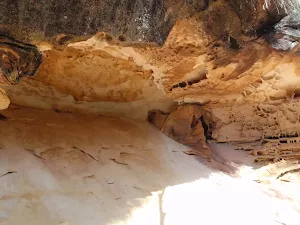
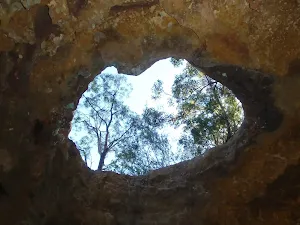
Simpsons Cave is an informal name given to a sandstone overhang on the Simpson Track, about 2.5km east of the junction with the Old Great North Road. The cave is perched high on the side of the old road and looks north over Ten Mile Hollow valley. The cave has an outward sloping floor and is best viewed from the track.

(18km) Simpsons Cave → Int of Ten Mile Hollow Rd and Simpsons track

distance 2.4 km time 49 mins climb 70m descent -135m Moderate track
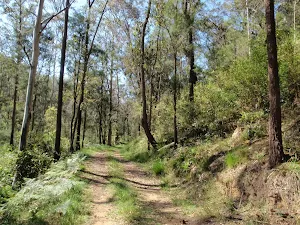
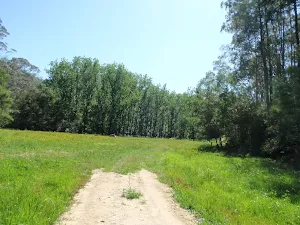
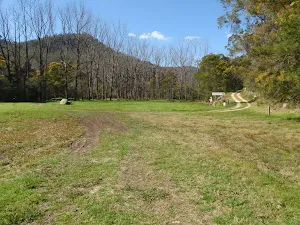
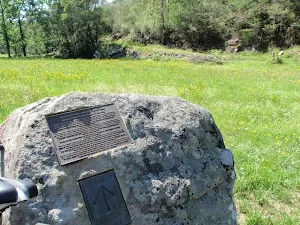
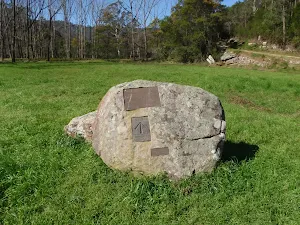
Continue straight: From the cave, this walk follows the management trail (Simpsons Track) downhill, keeping the valley to the left. As the trail winds down the hill, there is a distinct change in vegetation and, about 750m from the caves, the trail crosses a small creek and leaves the signposted 'Dharug National Park'. The walk continues down the hill and after another 500m, the trail crosses another small creek and passes through a series of flat grassy clearings. The trail then meanders along the flat for a while, leaving the clearings and soon coming to a larger grassy clearing and intersection. There are two large boulders here, with plaques about the 'Convict Trail' project.

(21km) Int of Ten Mile Hollow Rd and Simpsons track → Int below Fairview Homestead

distance 2.5 km time 47 mins climb 66m descent -60m Moderate track
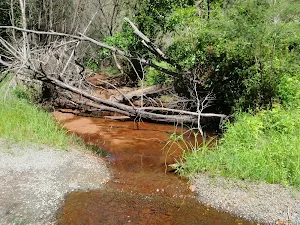
Turn left: From the intersection, the walk follows the management trail (Ten Mile Hollow Rd) away from the National Parks walkers signpost[5], passing a couple of small boulders, with a visitors book and 'Convict Trail' information signs[6][7], on the right. The trail soon crosses a creek and passes into a long clearing with the remains of an old wooden fenced cattle yard. From here, the walk passes a smaller clearing, to the right, with a padlocked steel 'Monitoring Well', then meanders for some time close to the creek, passing through some nice trees and some large clearings. The walk then passes a 'Heritage Road Wall AND Culvert Protection' signpost[8]. Allow some time to look at the old road retaining wall sections along here. A little further along, the trail bends to the left and arrives at an intersection with a gate to the left. The trail behind the gate leads to an old abandoned house and shed, which could provide some shelter.

(23km) Int below Fairview Homestead → Fairview Homestead

distance 120 m time 3 mins climb 10m descent -2m Moderate track
Turn left: From the intersection, the walk passes around the gate and follows the management trail steeply up the hill. The trail soon arrives at an old, abandoned house. At the end of this side trip, retrace your steps back to the main walk then Continue straight.

Fairview

Fairview
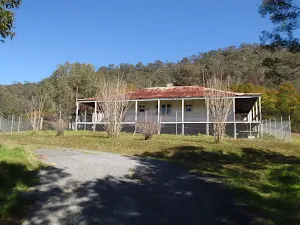
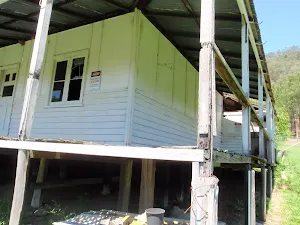
Fairview (550 Ten Mile Hollow Rd, Mangrove Creek) is a property with a homestead, built in 1922 by Alfred Andrews. The homestead and adjoining slab hut are now fenced to protect them, however the large corrugated iron shed on the south side is still open. The homestead was once a popular rest area for people traveling the North Road, via the Simpson track. The home was privately owned until 1973 when Gosford City Council acquired the land to protect the catchment area. The home was rented until 2002, when the tenants moved due to the threat of bushfires. The building is now in poor condition and the 'Friends of Fairview' are exploring ways to save the building and restore the history of the valley. Save Fairview More info.

(23km) Int below Fairview Homestead → Int of Ten Mile Hollow Rd and Donnys track

distance 810 m time 15 mins climb 22m descent -19m Moderate track
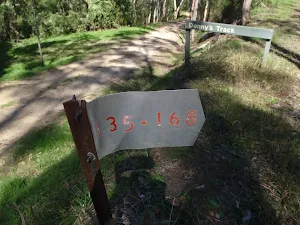
Turn right: From the intersection, the walk follows the management trail away from the gate, keeping the swampy area to the right. The walk continues for a while before passing around a gate and soon arrives at the signposted intersection with 'Donny's Track'[9].

(24km) Int of Ten Mile Hollow Rd and Donnys track → Upper Mangrove cemetery

distance 740 m time 15 mins climb 21m descent -27m Moderate track
Continue straight: From the intersection, the walk follows the management trail up the hill. After a short distance, the walk passes a large grassy clearing to the right and a swampy area to the left. The trail meanders along the valley for some time before arriving at a historic cemetery, on the right.

Upper Mangrove Cemetery

Upper Mangrove Cemetery
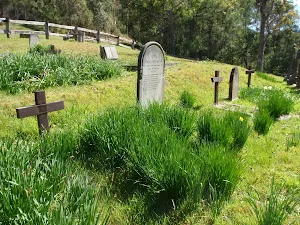
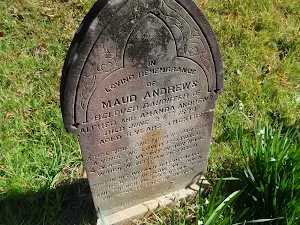
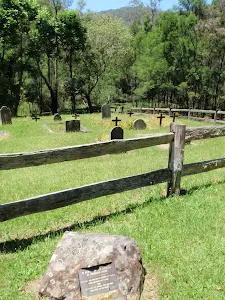
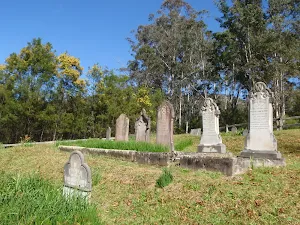
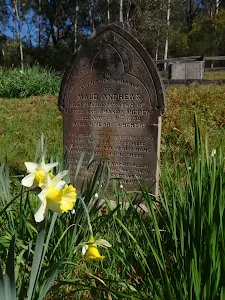
The Upper Mangrove Cemetery is on the western bank of Mangrove Creek, near the junction with Newmans Creek. The cemetery was part of St Thomas' Church of England, however the church building was destroyed in the 2002 bushfires. Exploring the cemetery gives a glimpse into the history of the valley. You will find the stone remembering Alfred and Amanda Andrews who built 'Fairview' in 1922 and read of the loss of Leslie Starkey's parents in 1913. On the other side of the road, up the hill, is the remains of of the old St Thomas' Church building[11]. More info.

(25km) Upper Mangrove cemetery → Int of Dubbo Gully Rd and Upper Mangrove Creek Rd

distance 1.1 km time 22 mins climb 33m descent -36m Moderate track
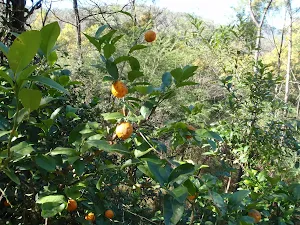
Continue straight: From the cemetery, the walk follows the management trail (Ten Mile Hollow Rd) up the hill, leaving the cemetery on the right, and soon passes under some high voltage power lines. The walk then meanders along the road for some time, passing some old orange trees on the right and an old '134' sign on the left. Some distance later, the walk crosses an old timber bridge and arrives at the signposted intersection with the 'Upper Mangrove Creek Rd' (with a shorter bridge to the left).

(26km) Int of Dubbo Gully Rd and Upper Mangrove Creek Rd → Dubbo Gully Rd car park

distance 2.5 km time 1 hr 2 mins climb 277m descent -104m Moderate track
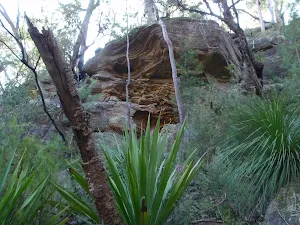
Continue straight: From the intersection, the walk follows the management trail up the hill (now Dubbo Gully Rd). The trail winds up the hill for a long while through some beautiful scenery, including some great rock formations and overhangs. The walk then passes around a gate and continues a little further up the hill to reach a small car park on the left (on Dubbo Gully Rd, a short distance off Waratah Rd, about 4km west of Mangrove Mountain).

Maps for the Western Commission Track to Dubbo Gully walk

You can download the PDF for this walk to print a map.
These maps below cover the walk and the wider area around the walk, they are worth carrying for safety reasons.

Gunderman1:25 000 Map Series91313S GUNDERMANNSW-91313S
Mangrove1:25 000 Map Series91313N MANGROVENSW-91313N
Gosford1:100 000 Map Series9131 GOSFORD9131

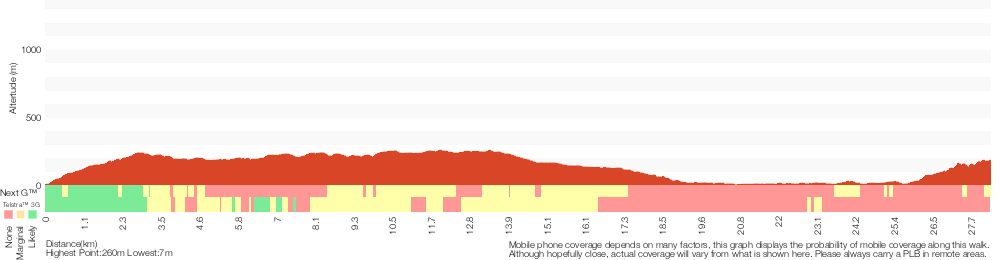
Cross sectional view of the Western Commission Track to Dubbo Gully bushwalking track

Terrain profile for Western Commission Track to Dubbo Gully

Analysis and summary of the altitude variation on the Western Commission Track to Dubbo Gully

Altitude analysis for Western Commission Track to Dubbo Gully

Overview of this walks grade – based on the AS 2156.1 – 2001

Under this standard, a walk is graded based on the most difficult section of the walk.

Length28.3 km
Time2 Days
.


Grade 3/6


Moderate track
AS 2156.1GradientShort steep hills (3/6)
Quality of trackClear and well formed track or trail (2/6)
SignsDirectional signs along the way (3/6)
Experience RequiredSome bushwalking experience recommended (3/6)
WeatherWeather generally has little impact on safety (1/6)
InfrastructureLimited facilities, not all cliffs are fenced (3/6)

Some more details of this walks Grading

Here is a bit more details explaining grading looking at sections of the walk

Gradient

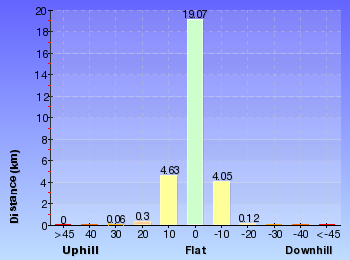
Around 16km of this walk has gentle hills with occasional steps, whilst the remaining 12km has short steep hills.

Quality of track

This whole walk, 28km follows a clear and well formed track or trail.

Signs

Around 24km of this walk has directional signs at most intersection, whilst the remaining 4.3km is clearly signposted.

Experience Required

Around 16km of this walk requires no previous bushwalking experience, whilst the remaining 12km requires some bushwalking experience.

weather

This whole walk, 28km is not usually affected by severe weather events (that would unexpectedly impact safety and navigation).

Infrastructure

Around 21km of this walk has limited facilities (such as not all cliffs fenced), whilst the remaining 8km is close to useful facilities (such as fenced cliffs and seats).

Similar walks

A list of walks that share part of the track with the Western Commission Track to Dubbo Gully walk.
Other Nearby walks

A list of walks that start near the Western Commission Track to Dubbo Gully walk.
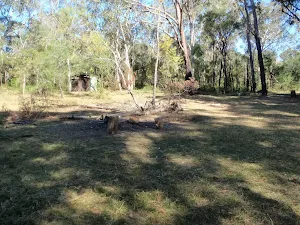
Plan your trip to and from the walk here

The Western Commission Track to Dubbo Gully walk starts at the Bottom end of Western Commission Track (gps: -33.395783, 151.01401)
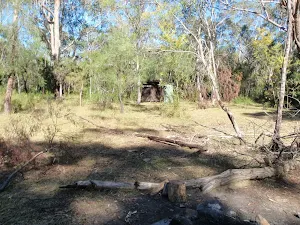
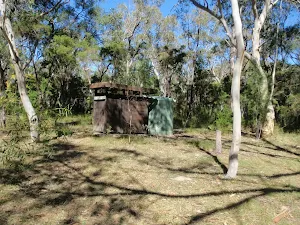
The Western Commission Track to Dubbo Gully ends at the Dubbo Gully Rd car park (gps: -33.293017, 151.15119)
Weather Forecast

This walk starts in the Hunter weather district.

Current Alerts

Park Information

Dharug National Park

Named after the traditional custodians (the Darug People), this park has much history and some great sandstone formations. The wildflowers in spring add a wonderful touch of colour to the bushland. The Old Great North Road including its quarries, bridges and other features improves access and provides a great deal of interest for visitors. Close to Sydney and Gosford, it feels like stepping back in time when visiting this park.

Yengo National Park

Yengo National park is a large and seemingly remote park. The park stretches from Wisemans Ferry to near Singleton. The park is bound by Putty Rd (and Wollemi NP) on the west. The park has been subject to logging in the past, particularly around Mount Yengo. Much of the park is difficult to access, increasing the sense of wilderness. Yengo NP is part of the Greater Blue Mountains World Heritage area and is home to sections of the Old Great North Road.

Mcpherson State Forest

Mcpherson State Forest is a forest found west of Wyong on the NSW central Coast. The forest surrounds Mangrove Creek, just south of the Dam and boarders with Yengo National Park.

Comments